Borosilicate Glass vs Sapphire Glass: Which Material Is Better for Sight Glass Applications?
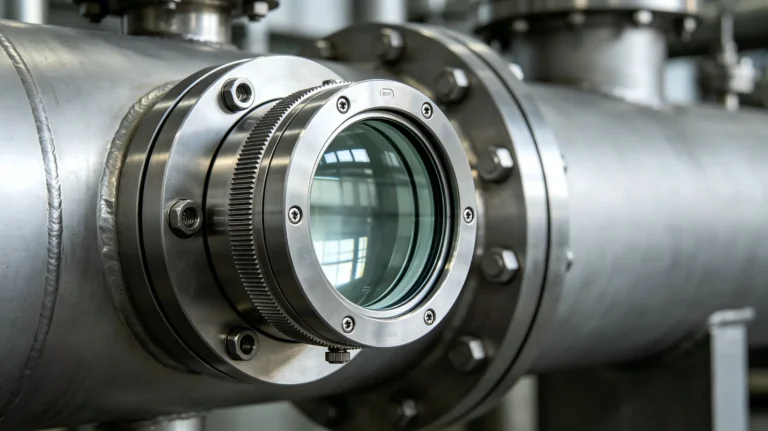
When selecting a sight glass for industrial equipment, one of the most important decisions is choosing the appropriate glass material.
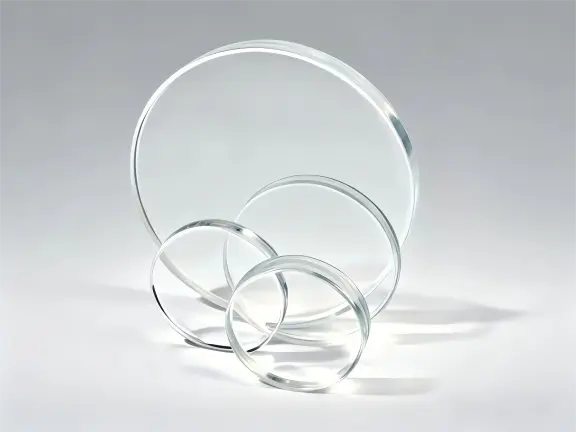
Two of the most common options are borosilicate glass and sapphire glass.
Borosilicate Glass Overview
Borosilicate glass is widely used in industrial observation windows due to its excellent balance of performance and cost.
Advantages
- Good thermal shock resistance
- Excellent chemical resistance
- High optical clarity
- Cost-effective solution
Typical Applications
- Chemical reactors
- Storage tanks
- Pipeline sight glasses
- Pharmaceutical vessels
Sapphire Glass Overview
Sapphire glass is manufactured from single-crystal aluminum oxide.It is one of the strongest transparent materials available.
Advantages
- Extremely high hardness
- Outstanding scratch resistance
- Excellent pressure resistance
- Superior durability
Typical Applications
- High-pressure reactors
- Semiconductor equipment
- Aerospace systems
- Offshore applications
Comparison Table
| Property | Borosilicate Glass | Sapphire Glass |
| Hardness | Good | Excellent |
| Pressure Resistance | High | Very High |
| Thermal Shock Resistance | Excellent | Good |
| Scratch Resistance | Good | Outstanding |
| Cost | Economical | Premium |
Which Material Should You Choose?
Choose borosilicate glass when:
- Budget is important
- Standard industrial service conditions apply
- Large quantities are required
Choose sapphire glass when:
- Extreme pressure exists
- Abrasive media are present
- Maximum service life is required
Final Thoughts
Both borosilicate and sapphire glass offer excellent performance for industrial sight glass applications. The best choice depends on operating conditions, pressure requirements and budget considerations.Consulting with an experienced sight glass manufacturer can help determine the optimal solution for your application.