How to Select the Right Sight Glass for High-Pressure Industrial Applications?
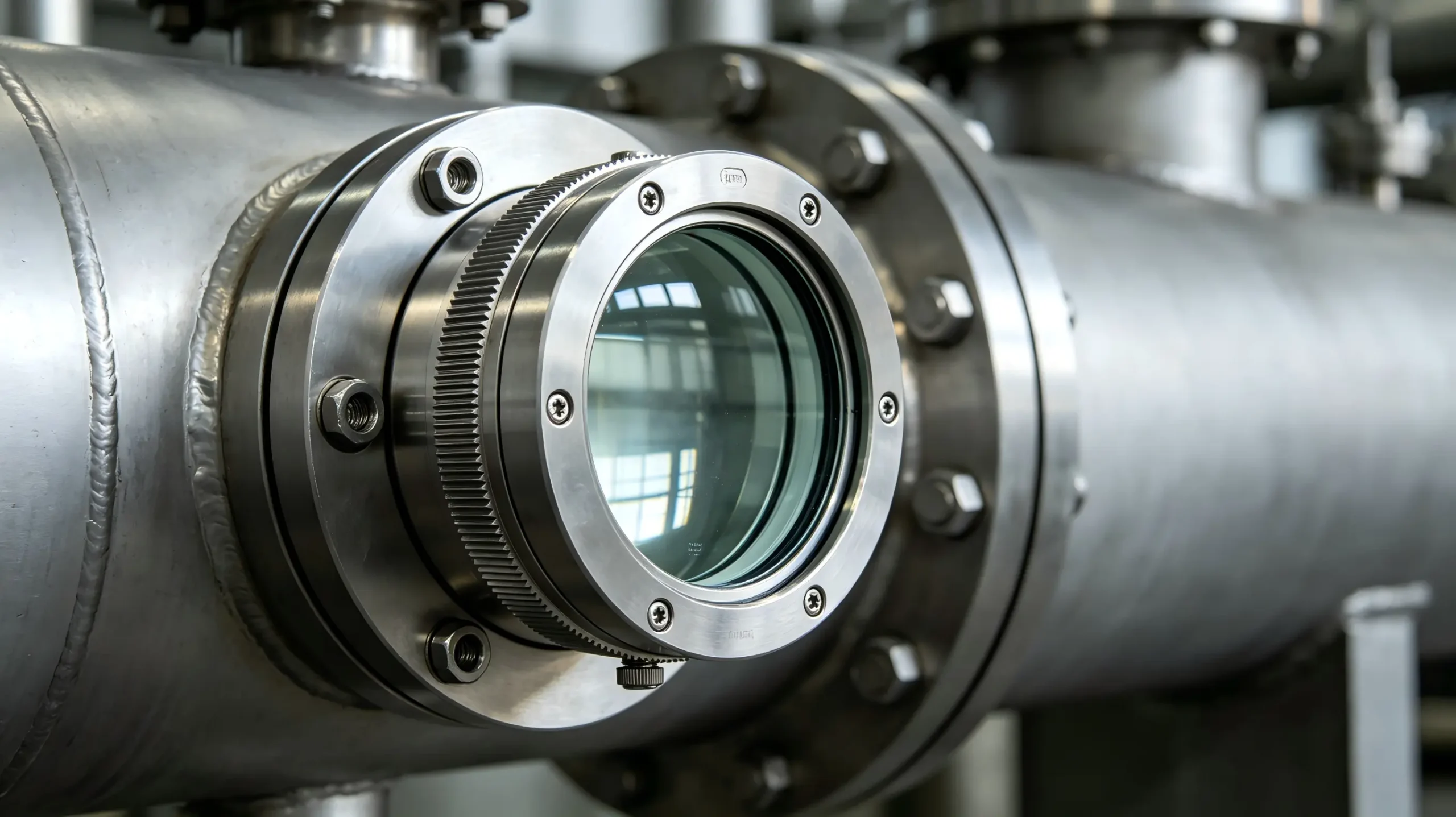
Industrial sight glasses play a critical role in allowing operators to safely monitor processes inside pressure vessels, reactors, tanks and pipelines without interrupting operations.
Selecting the correct sight glass is essential for safety, equipment reliability and process efficiency.
Why Sight Glass Selection Matters
A sight glass installed in a high-pressure environment must withstand:
- Internal pressure
- Thermal shock
- Chemical corrosion
- Mechanical stress
- Continuous operation
An improperly selected sight glass can lead to leakage, downtime and safety risks.
Key Factors to Consider
1. Operating Pressure
The first consideration is the maximum operating pressure.
Typical applications include:
- Atmospheric tanks
- Pressure vessels
- Chemical reactors
- Steam systems
Higher pressures generally require thicker glass and stronger mounting assemblies.
2. Operating Temperature
Temperature affects both glass strength and gasket performance.
For elevated temperatures, borosilicate glass is commonly preferred due to its excellent thermal shock resistance.
3. Process Media
The process fluid may include:
- Acids
- Alkalis
- Solvents
- Steam
- Petroleum products
Material compatibility should always be verified before selection.
4. Glass Material
Common options include:
Borosilicate Glass
- Excellent thermal resistance
- Cost-effective
- Suitable for most industrial applications
Sapphire Glass
- Extremely high hardness
- Superior scratch resistance
- Excellent pressure performance
Quartz Glass
- High purity
- Excellent optical transmission
- Suitable for specialized applications
Common Standards
Many industrial systems utilize:
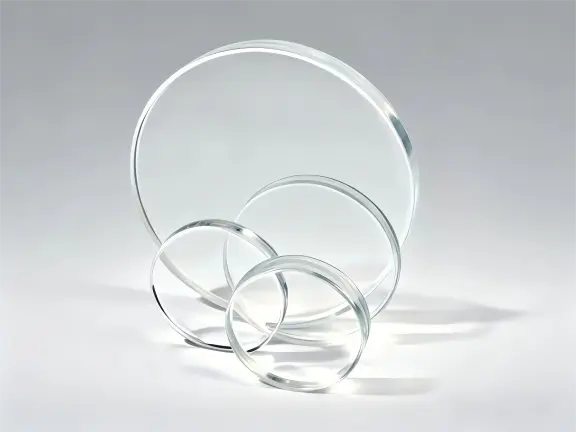
- DIN 7080 Circular Sight Glass
- DIN 7081 Gauge Glass
- Custom Pressure Vessel Sight Glass
Compliance with applicable standards ensures safety and interchangeability.
Typical Applications
- Petrochemical plants
- Pharmaceutical reactors
- Food processing systems
- Power generation facilities
- Offshore platforms
Conclusion
Choosing the correct sight glass requires careful evaluation of pressure, temperature, process media and material properties. Working with an experienced manufacturer can help ensure long-term reliability and operational safety.